


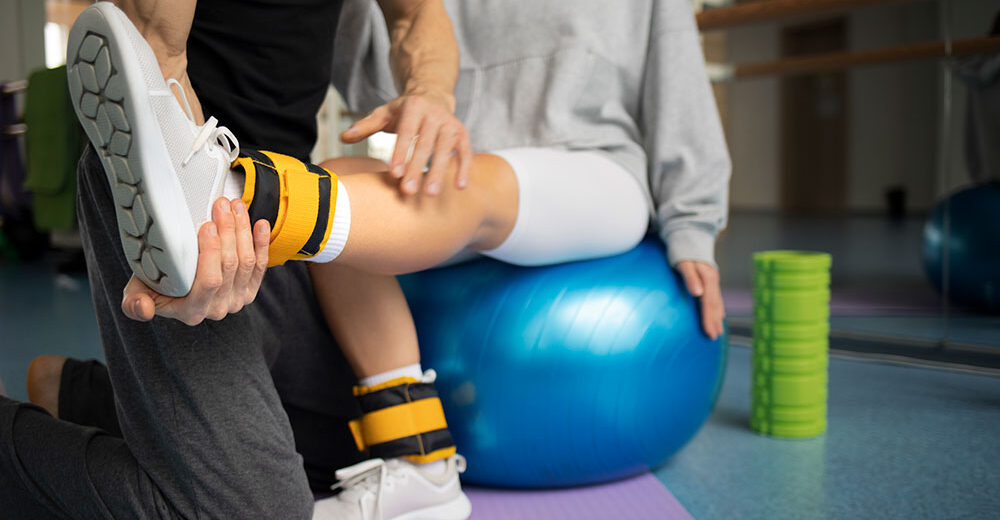
Sports Rehabilitation Helps Athletes Return to Peak Performance
Athletes constantly push their bodies to the limit, whether during training, competition, or recovery. However, injuries are an inevitable part of sports, and what truly defines an athlete’s comeback is how effectively they recover. This is where sports rehabilitation by MoveWell in Edina, Minnesota plays a crucial role — not just in healing injuries. But in helping athletes regain strength, mobility, and confidence to return to peak performance.
Understanding Sports Rehabilitation
Sports rehabilitation is a specialized form of physical therapy focused on treating sports-related injuries and restoring optimal function. It combines evidence-based techniques like manual therapy, exercise prescription, and functional movement retraining to help athletes recover faster and prevent re-injury.
A sports rehabilitation program is tailored to each individual’s sport, injury type, and performance goals. Ensuring that every step of recovery aligns with what the athlete needs most — full strength and confidence to perform again.
Key Phases of Sports Rehabilitation
Initial Assessment and Pain Management
The process begins with a thorough evaluation by a physical therapist to identify the extent of the injury and underlying movement limitations. Techniques such as manual therapy, soft tissue mobilization, and modalities like ice or heat therapy are used to reduce pain and swelling.
Restoring Mobility and Flexibility
Once pain is managed, the focus shifts to improving range of motion and flexibility. Stretching, joint mobilization, and guided exercises help restore natural movement patterns and reduce stiffness caused by the injury.
Strength and Stability Training
Regaining muscle strength and stability around the injured area is vital for long-term recovery. Targeted strength training and balance exercises improve joint control and prepare the body for more dynamic movements.
Functional and Sport-Specific Training
This phase mimics the physical demands of the athlete’s sport. Drills, agility exercises, and coordination training ensure the athlete can safely transition back to their regular performance level without risking re-injury.
Performance Optimization and Injury Prevention
The final goal of sports rehabilitation is not just recovery — it’s optimization. Physical therapists work with athletes to fine-tune posture, movement mechanics, and overall conditioning, reducing the risk of future injuries while enhancing performance capacity.
The Role of a Physical Therapist in Sports Rehabilitation
A physical therapist plays a central role in guiding athletes through the rehabilitation process. They use a combination of clinical expertise, advanced movement analysis, and customized exercise programs to help athletes rebuild confidence and strength. More importantly, they educate athletes on body awareness, proper warm-up techniques, and recovery strategies — all essential components of long-term success.
Beyond Recovery: The Mind-Body Connection
Returning to sports after an injury is as much a mental challenge as it is a physical one. Sports rehabilitation also emphasizes psychological recovery — helping athletes regain trust in their bodies, overcome fear of re-injury, and rebuild mental resilience. The holistic approach ensures athletes return not just healed, but stronger than before.
Conclusion
Sports rehabilitation is more than just a recovery process — it’s a pathway to renewed strength, confidence, and performance excellence. With the right guidance from an experienced physical therapist, athletes can safely transition from injury back to competition, performing at their best once again.